
How to care for facial skin during winter
29. January, 2026

Skincare
Winter is one of the most demanding seasons for facial skin. Cold air, strong winds, and low humidity dry out the skin, while the dry air in heated indoor spaces further intensifies moisture loss. Skin often feels tight, looks dull, and becomes more sensitive. Many people notice redness, flaking, or discomfort in winter that doesn’t occur during summer.
Winter skincare is not just about beauty — it is an essential part of maintaining skin health. When the skin loses its natural moisture and protective ability, it becomes more prone to irritation, inflammation, and premature signs of aging. Proper care helps the skin maintain balance and strengthens its natural resilience.
Why skin becomes drier in winter
During winter, the air becomes significantly drier both outdoors and indoors. The skin loses moisture more quickly because cold, dry air accelerates water evaporation from the skin’s surface. At the same time, the production of natural oils slows down, even though these oils normally help retain moisture and protect the skin barrier.
Scientific studies also confirm that skin moisture levels drop noticeably during winter months, and the outer layer of the skin becomes thinner and more vulnerable. A study conducted in Japan found that facial skin hydration and barrier function were significantly lower in winter than in summer, making the skin more sensitive to cold and wind.¹
In addition, facial cleansing habits also affect the skin. Hot water and overly strong cleansers strip the skin of its natural protective layer that helps retain moisture.
The role of the skin barrier in winter
The skin barrier is the outermost and one of the most important parts of the skin. Its role is to keep the skin’s internal balance stable. This barrier is made up of skin cells and natural lipids that form a protective wall between the skin and the external environment. When the barrier is intact, the skin can retain moisture, block irritants and microbes, and better withstand cold, wind, and dry air.
In winter, this barrier is under particular stress. Cold air slows the production of natural oils, causing the protective lipid layer to become thinner. At the same time, low humidity both outdoors and indoors dries the skin, allowing water to evaporate more quickly from the surface. As a result, the barrier weakens and begins to “leak.” Moisture no longer stays in the skin, and irritants can penetrate more easily.
When the skin barrier is damaged, the skin quickly sends signals: tightness, roughness, redness, itching, or flaking. Even normally balanced skin can become sensitive in winter because the barrier can no longer do its job. This is not the skin being “fussy,” but a natural response indicating that the skin needs more protection and support.
Winter skincare should therefore focus primarily on restoring and strengthening the skin barrier. It is important to avoid harsh cleansers and hot water that remove the skin’s remaining natural oils. Gentle cleansing helps preserve the skin’s natural balance and prevents further dryness.
Moisturizing is also key to strengthening the barrier, as well-hydrated skin can better maintain its structure and elasticity. When skin is depleted of moisture, the barrier cannot repair itself effectively. That is why using serums and creams that support both hydration and the skin’s natural defense mechanisms is essential during winter.
In addition to hydration, the skin needs nourishing ingredients that help restore the natural lipids that make up the barrier. These ingredients help seal microscopic cracks on the skin’s surface through which moisture would otherwise escape. With consistent care, the skin barrier becomes stronger, the skin calms down, and it remains soft, elastic, and resilient throughout the winter.
Gentle cleansing as the foundation of winter care
In winter, the skin does not need aggressive cleansing, but a soothing and balancing approach. It is best to use gentle cleansers that do not contain drying ingredients and do not leave the skin feeling tight.
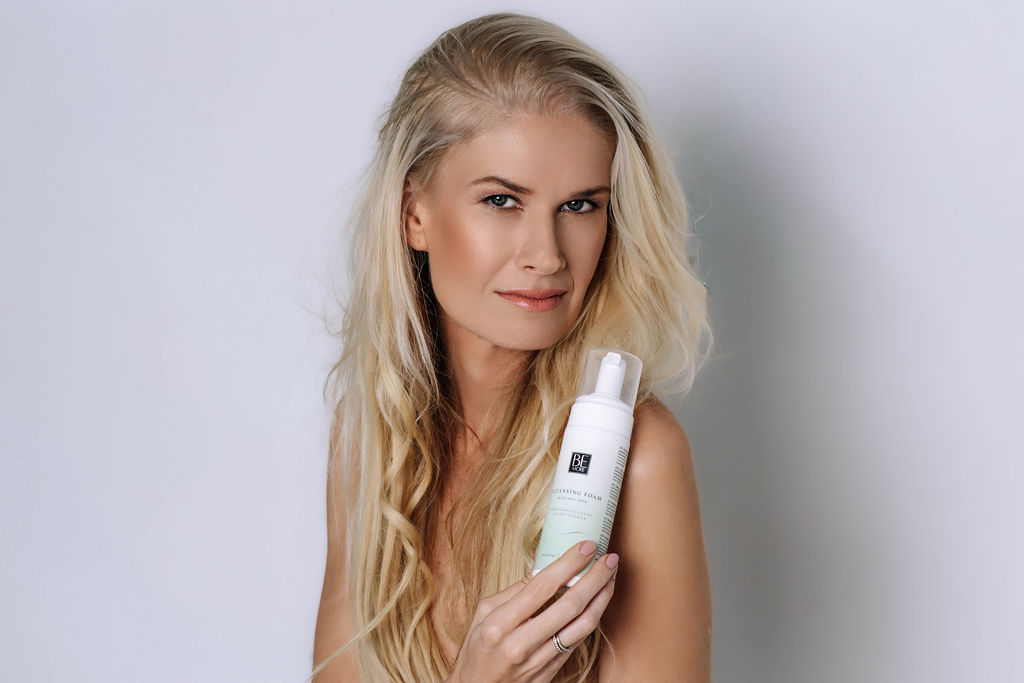
From the Be More skincare range, the Cleansing foam with aloe vera and refreshing micellar water with lemon are well suited for winter cleansing. They gently remove impurities and makeup while preserving the skin’s natural moisture. After cleansing, the skin should feel soft, not tight.
Moisturizing is the most important step in winter care
During winter, the skin needs more hydration than usual. It is important that moisture penetrates the skin and stays there. The most effective way to achieve this is through layered skincare, using a hydrating serum first and then sealing it with a cream.
Hyaluronic acid is a natural substance that binds water and helps the skin maintain elasticity. Studies show that hyaluronic acid improves skin hydration and smoothness within just a few weeks.²
The Be More hydrating serum with hyaluronic acid is an ideal choice for winter care, as it absorbs quickly and provides deep hydration. A cream should always be applied on top to help lock the moisture into the skin.
Cream as protection against cold and wind
In winter, facial creams should be more nourishing and protective than in summer. A cream forms a protective layer on the skin’s surface, helping to prevent moisture loss and shielding the skin from cold wind.
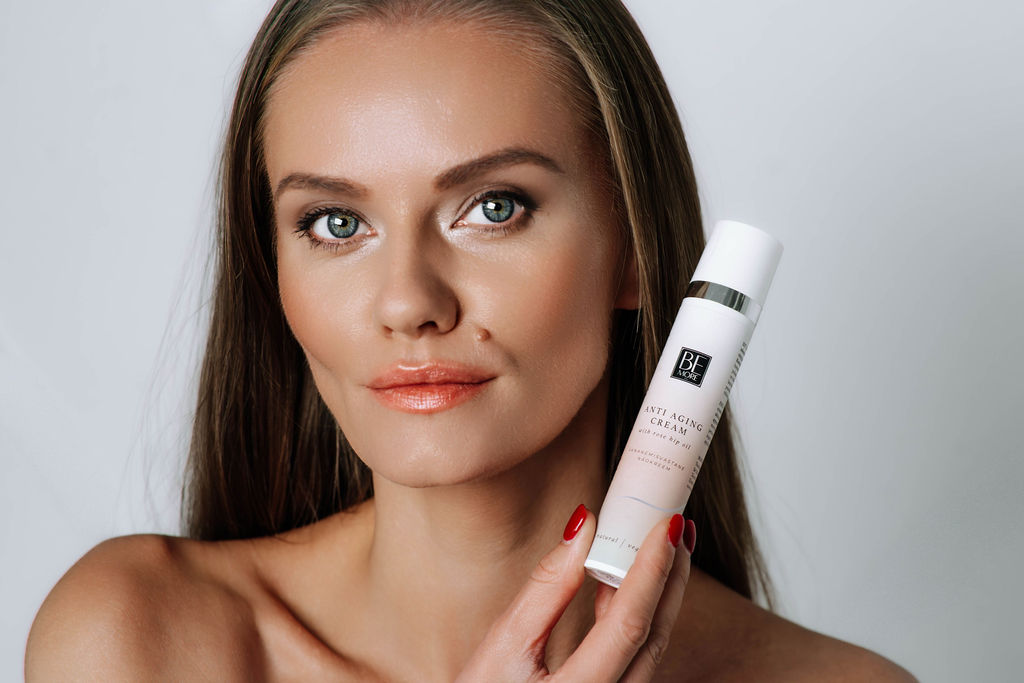
The Be More intense moisturizing cream with hyaluronic acid is suitable for daily use, offering deep hydration. If the skin feels particularly dry or tired, the Be More anti-aging face cream is also an excellent option, supporting skin recovery and helping maintain elasticity.
Masks and restorative extra care
In winter, it is recommended to use a hydrating face mask once or twice a week. A mask provides intensive hydration and helps the skin recover more quickly from the effects of cold and dry air.
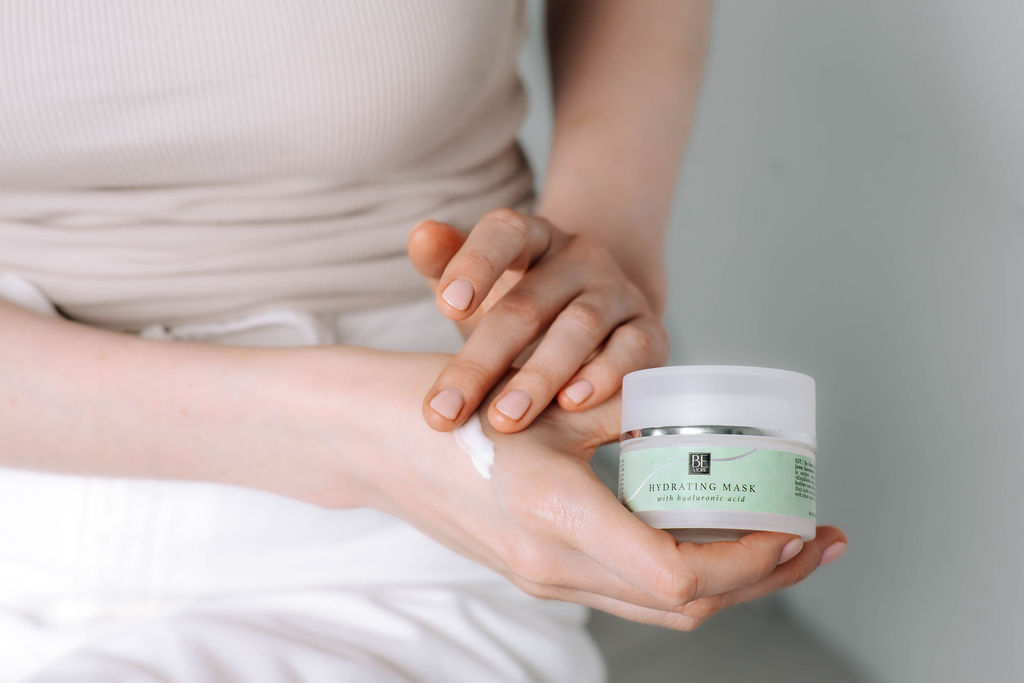
The Be More hydrating face mask with hyaluronic acid is perfect for winter care, soothing the skin and restoring its natural glow. It is especially beneficial after long days outdoors or after travel, when the skin has been exposed to frequent temperature changes.
Lifestyle and nutrition affect skin condition
Skin health starts from within. While external care is important, the skin cannot stay healthy and elastic if the body does not receive enough essential nutrients. In winter, fluid intake often decreases because thirst is less noticeable than in warm weather. However, the skin still needs enough water during the cold season to maintain elasticity, softness, and its natural protective function. Even mild dehydration can make the skin look dull, dry, and tight.
In addition to water, fatty acids are particularly important for skin health, as the body cannot produce them on its own and must obtain them from food. The most important are omega-3 and omega-6 fatty acids. Omega-3 fatty acids help reduce skin dryness, redness, and sensitivity, and support the skin’s natural moisture balance. Studies have shown that adequate omega-3 intake improves skin elasticity and strengthens the skin barrier. They are found in fatty fish, flaxseeds, chia seeds, and walnuts. Omega-6 fatty acids are necessary for skin renewal and barrier formation, but their balance with omega-3s is crucial. Good sources include cold-pressed plant oils, nuts, and seeds.
The skin also needs fat-soluble vitamins that help maintain its strength and vitality. Vitamin A supports skin renewal and helps keep the skin surface smooth. Vitamin E is a powerful antioxidant that protects skin cells from environmental damage and premature aging while helping maintain moisture. Vitamin D is essential for skin immunity and barrier function, but levels are often lower in winter due to lack of sunlight. Studies have shown that low vitamin D levels may be linked to skin dryness and sensitivity.
Among water-soluble vitamins, vitamin C is especially important for the skin, as it supports collagen production and helps keep the skin strong and elastic. It also protects the skin from oxidative stress and supports natural radiance. B-group vitamins support skin metabolism and help prevent dryness, flaking, and irritation.
During winter, it is also worth paying attention to antioxidants found in berries, vegetables, leafy greens, and plant oils. These help protect the skin from environmental damage and support cell regeneration. When the body receives enough fatty acids, vitamins, and water, the skin can better withstand cold, wind, and dry indoor air, remaining healthy and vibrant even throughout winter.
Used sources: